
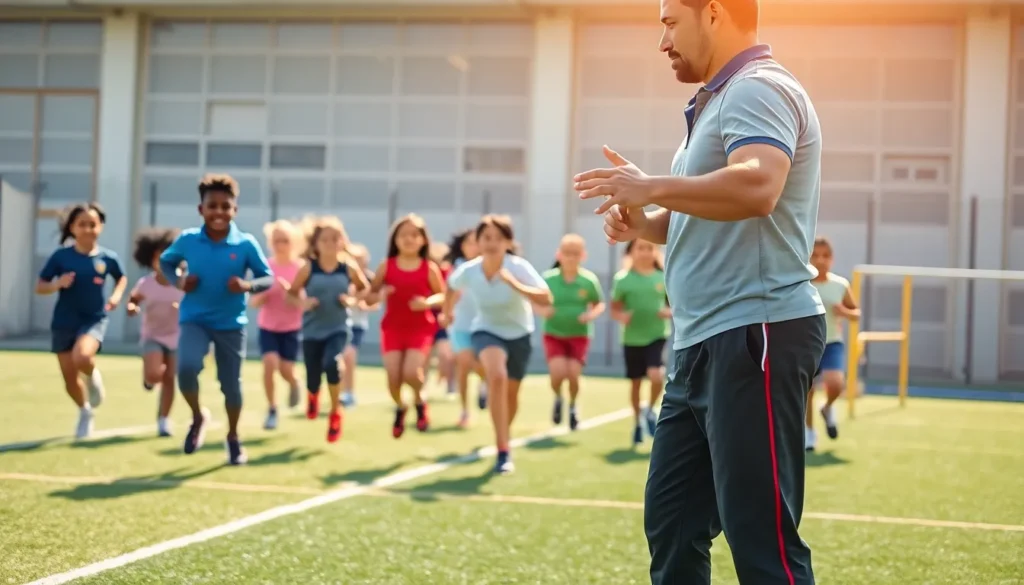
In a world where screens seem to have taken over, youth fitness training stands as the answer to getting kids off the couch and onto the field or the gym. It’s not just about bulging biceps or impressive endurance: it’s about building a foundation for better health, both physically and mentally. Yes, it sounds serious, but who says we can’t have a little fun along the way? So, buckle up as we investigate into the many reasons why youth fitness training should be a priority, not just for parents and coaches but for society as a whole.
The Importance Of Youth Fitness Training

When it comes to youth fitness training, understanding its significance is the first step to promoting a healthier generation. Physical activity is not merely a pastime: it’s a crucial aspect of a young person’s development.
Physical Benefits Of Youth Fitness
Physical fitness provides numerous health benefits that are especially important during the critical growth years. Children and teens who engage in regular fitness activities develop stronger bones, muscles, and cardiovascular systems. For instance, a well-structured workout regimen can help combat obesity, which has become a pressing issue in many areas. The World Health Organization reports that globally, around 38 million children under the age of five were overweight or obese in 2020. Engaging in youth fitness training can help reduce these alarming statistics by promoting a healthier lifestyle from an early age.
Mental Health Benefits Of Youth Fitness
Also, the mental health benefits are equally noteworthy. Regular physical activity has been shown to improve mood and reduce anxiety. In a survey by Mental Health America, 70% of youth who participated in organized physical activities reported feeling more confident and less stressed. Fostering a physically active environment can lead to better mental health outcomes, paving the way for more resilient adolescents who can face the ups and downs of life with greater ease.
Developing Lifelong Healthy Habits
One of the greatest gifts that youth fitness training can bestow is the development of lifelong healthy habits. When children learn the joys of being active, they’re much more likely to carry those habits into adulthood.
Fostering a culture that celebrates physical fitness and well-being helps instill values that young people will carry with them into their future. This shift toward a more active lifestyle can reduce the prevalence of lifestyle-related diseases, ensuring that kids not only thrive in their youth but also maintain their health as adults. Establishing these habits early can combat an increasing societal trend toward sedentary behavior.
Key Components Of Youth Fitness Training
Creating a comprehensive youth fitness training program involves several key components, each of which plays a vital role in enhancing young athletes’ performance and well-being.
Strength Training For Young Athletes
When discussing youth fitness, strength training often raises eyebrows. But, age-appropriate strength training, under professional supervision, can benefit kids immensely. According to a study by the American College of Sports Medicine, when done safely, resistance training can increase strength, enhance bone density, and reduce the risk of injury.
Cardiovascular Fitness Activities
Alongside strength training, cardiovascular fitness activities are essential. Activities like running, swimming, or cycling contribute to improved heart health and increased stamina. These workouts are also enjoyable, which is a major factor in keeping youth engaged. Integrating fun elements, like games or team competitions, can help make cardiovascular exercise appealing.
Flexibility And Mobility Exercises
Finally, flexibility and mobility exercises shouldn’t be overlooked. Stretching routines and mobility drills can prevent injuries and improve overall athletic performance. Plus, they can add an element of calm and mindfulness to a young athlete’s routine, important counterbalances to the more intense aspects of training.
Creating An Effective Youth Fitness Program
Designing an effective youth fitness program might seem daunting, but it can be broken down into manageable steps.
Setting Goals And Tracking Progress
First and foremost, goal-setting is essential. Whether the aim is to improve a specific skill or achieve a fitness milestone, setting clear, measurable goals helps keep kids motivated. Tracking their progress regularly not only provides a sense of achievement but also instills accountability and responsibility.
Choosing The Right Activities
Next, the choice of activities is critical. Diversification is key: incorporating a variety of exercises can prevent boredom and keep kids engaged. Balancing strength routines with cardiovascular activities and flexibility work ensures a well-rounded approach to youth fitness.
Incorporating Fun And Engagement
Engagement is everything when it comes to youth fitness training. Let’s face it: kids are more likely to jump into activities that they find fun and rewarding. Hence, incorporating games, challenges, and even friendly competitions can make a significant difference.
The goal should be to create a positive environment, one where kids enjoy showing up and pushing themselves, not one that feels like a chore. Celebrating achievements, big or small, can further elevate the experience and encourage continued participation.
Overcoming Barriers To Youth Fitness
Even though the best intentions, various barriers can hinder youth fitness. Understanding these obstacles is the first step toward overcoming them.
Encouraging Family Involvement
Family involvement can be a game-changer. Parents and guardians who participate in physical activities alongside their children can reinforce the importance of fitness. Also, by making family activities more active, such as hiking or biking together, they help instill a culture of health and wellness within the household.
Strategies For Coaches And Trainers
Coaches and trainers also play a crucial role. Building a supportive community around young athletes can motivate them to overcome individual challenges. Encouraging a team-oriented mindset fosters camaraderie and support, making kids less likely to drop out due to lack of interest or motivation.


