
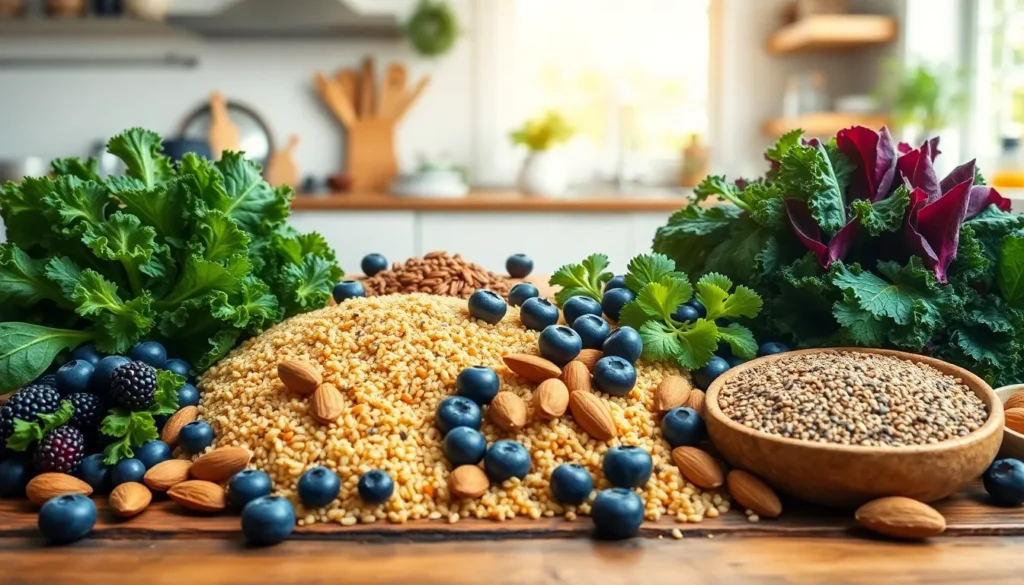
Superfoods are like the superheroes of the food world, swooping in to save the day with their mighty health benefits. Packed with nutrients and bursting with flavor, these foods can turn any mundane meal into a culinary adventure. From kale that could probably bench press a car to blueberries that might just hold the secret to eternal youth, superfoods have earned their spot on the pedestal of nutrition.
But let’s be real: not all heroes wear capes, and not all superfoods are created equal. Some might taste like a garden gnome’s shoe, while others can make your taste buds dance like nobody’s watching. So, buckle up as we dive into the delicious and sometimes quirky realm of superfoods, exploring which ones deserve a star on your dinner plate and which ones are better left in the health food aisle.
What Are Superfoods?
Superfoods consist of nutrient-dense foods that provide exceptional health benefits. These foods enhance nutrition and flavor, making them valuable additions to any diet.
Definition of Superfoods
Superfoods represent a category of foods recognized for their high concentration of vitamins, minerals, and antioxidants. Typically, these foods include fruits, vegetables, grains, nuts, and legumes. They promote overall wellness and support the body’s functions. Common examples include blueberries, kale, and quinoa. Each superfood offers unique properties that contribute to various health benefits.
Nutritional Benefits
Nutritional benefits of superfoods vary widely. Many superfoods boost immune function, improve digestion, and promote heart health. For instance, omega-3 fatty acids in chia seeds enhance brain function, while fiber-rich foods like lentils aid gut health. Antioxidants in foods such as goji berries combat oxidative stress, reducing the risk of chronic diseases. Consuming superfoods regularly can lead to better overall health, increased energy levels, and enhanced vitality.
Popular Superfoods in 2023
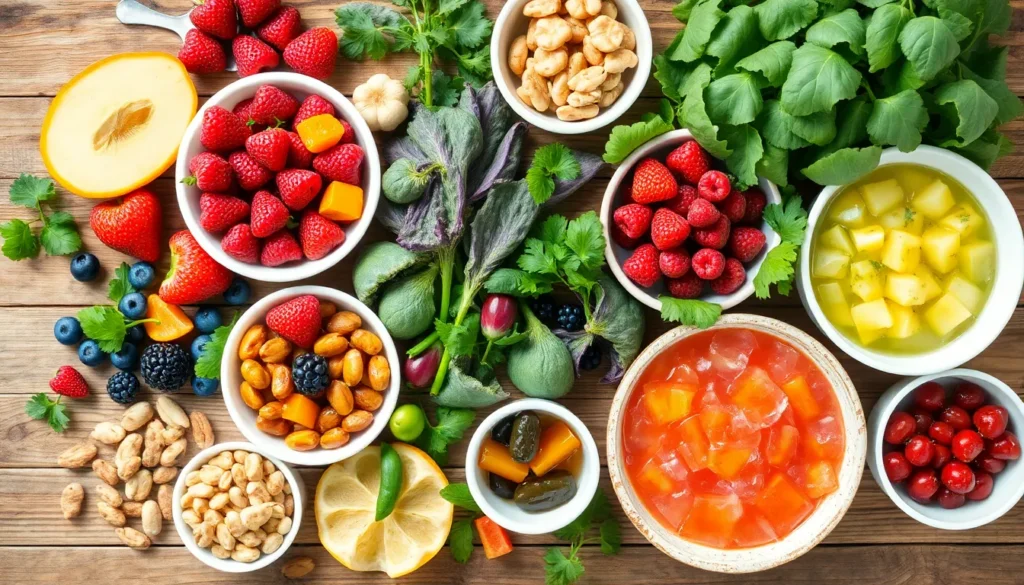
Superfoods continue to gain popularity in 2023, offering numerous health benefits. Below are some of the most sought-after categories of superfoods.
Berries
Berries are antioxidant powerhouses that improve health. Blueberries, raspberries, and strawberries provide essential vitamins and minerals. Anthocyanins, found in dark berries, boost heart health and promote brain function. Regular consumption of berries can enhance skin health and reduce inflammation. They serve as versatile ingredients in smoothies, salads, and desserts, making them a delicious choice.
Leafy Greens
Leafy greens stand out for their nutrient density and versatility. Spinach, kale, and Swiss chard deliver vital vitamins A, C, and K. High fiber levels in these greens support digestion and help maintain healthy weight. Adding leafy greens to meals increases nutrient intake while keeping calories low. They blend well in salads, smoothies, or as cooked side dishes, keeping meals exciting.
Nuts and Seeds
Nuts and seeds provide healthy fats and protein, contributing to optimal health. Almonds, walnuts, and chia seeds are great sources of essential nutrients. They help improve heart health and maintain energy levels throughout the day. Snacking on nuts can aid in weight management due to their satiating properties. Incorporating seeds like flaxseed and pumpkin seeds into meals boosts nutrient content significantly.
Fermented Foods
Fermented foods play a crucial role in gut health and digestion. Yogurt, kefir, and sauerkraut are rich in probiotics that support a balanced microbiome. Regular intake of these foods can improve nutrient absorption and enhance immunity. They add unique flavors and textures to dishes while promoting overall wellness. Including fermented foods in diets fosters better digestive health and vitality.
Health Benefits of Superfoods
Superfoods offer a range of health benefits, each contributing uniquely to overall well-being. Their nutrient density plays a crucial role in maintaining a healthy lifestyle.
Antioxidant Properties
Antioxidants found in superfoods help neutralize free radicals, reducing oxidative stress. Blueberries and goji berries stand out for their high antioxidant content. Nutritionists recommend incorporating these fruits to combat chronic diseases effectively. Various studies indicate that regular consumption of berries may lower the risk of heart disease and improve cognitive function. Including these superfoods in daily meals can significantly benefit long-term health.
Impact on Heart Health
Superfoods like oats and fatty fish are linked to improved heart health. Oats contain beta-glucans, which help lower cholesterol levels. Fatty fish, rich in omega-3 fatty acids, support heart function and reduce inflammation. Research finds that these foods may lower the risk of cardiovascular diseases. Nuts such as walnuts and almonds also promote heart health by providing healthy fats and antioxidants. Prioritizing these superfoods in the diet leads to a healthier heart and overall cardiovascular wellness.
Role in Weight Management
Superfoods can aid in effective weight management. Foods high in fiber, such as lentils and chia seeds, promote satiety, helping control appetite. Increased fiber intake can lead to better digestion and a healthier gut. Leafy greens like kale and spinach are low in calories but rich in nutrients, making them ideal for weight loss. Maintaining a balanced diet with these foods contributes to sustainable weight control and overall health.
How to Incorporate Superfoods Into Your Diet
Incorporating superfoods into daily meals enhances both nutrition and flavor. Several methods work well to increase intake while enjoying a variety of dishes.
Smoothies and Juices
Smoothies and juices serve as an easy way to include superfoods. Combining berries like blueberries and strawberries with leafy greens such as spinach creates a nutrient-packed drink. Adding chia seeds or flaxseeds boosts the omega-3 content, providing brain health benefits. Blending yogurt or nut milk enhances creaminess while introducing probiotics for gut health. Consuming these drinks regularly can lead to increased energy and improved overall wellness.
Salads and Bowls
Salads and grain bowls offer versatile platforms for superfood integration. Leafy greens such as kale and arugula form the base, delivering vitamins and minerals. Including quinoa or farro adds a hearty texture and protein. Topping with nuts, seeds, and colorful vegetables enhances both taste and nutritional profile. Avocado, rich in healthy fats, provides creaminess and satiety. Regularly preparing these meals can create exciting variations while maximizing health benefits.
Snacks and Desserts
Snacks and desserts can feature superfoods creatively. Almonds and walnuts make satisfying snacks, providing healthy fats and protein. Dark chocolate, a known superfood, offers antioxidants and pairs well with fruit for a treat. Making energy bites with oats, nut butter, and seeds provides a delicious snack packed with nutrients. Incorporating yogurt with goji berries or chia pudding allows for a sweet indulgence while boosting health. Regularly choosing these options promotes a balanced diet and keeps meals enjoyable.
Potential Risks and Considerations
While superfoods offer numerous health benefits, certain risks and considerations exist. Awareness of these factors aids in making informed dietary choices.
Overconsumption
Overconsumption of superfoods can lead to imbalances in nutrient intake. Excessive consumption of rich sources of specific vitamins and minerals may result in toxicity. For example, high amounts of vitamin A from carrots can pose risks, especially for pregnant individuals. A balanced diet remains essential, as relying solely on superfoods often neglects other crucial nutrients. Portion control proves vital, ensuring a variety of foods are present in the diet without overemphasizing any one type.
Allergies and Sensitivities
Allergies and sensitivities can arise from certain superfoods. Individuals may experience reactions to common superfoods like almonds or chia seeds. Symptoms might include hives, digestive issues, or even severe anaphylactic reactions. Awareness of personal food allergies prevents adverse effects. Consulting a healthcare professional before drastically increasing consumption of new superfoods remains prudent for those with known food sensitivities. Choosing alternatives can allow individuals to still benefit from nutrient-rich options without risking their health.
Embracing superfoods can transform a diet and enhance overall health. By incorporating a variety of these nutrient-dense foods, individuals can support their wellness journey and enjoy delicious meals. It’s essential to remember that balance is key. While superfoods offer incredible benefits, moderation and variety will help prevent potential nutrient imbalances.
Readers should explore different superfoods to find their favorites and experiment with creative ways to include them in everyday meals. This not only boosts nutrition but also adds excitement to the dining experience. With informed choices and a mindful approach, anyone can harness the power of superfoods for a healthier lifestyle.


