

Imagine feeling like a race car engine revved up with nowhere to go. That’s what living with hyperthyroidism can feel like. This condition, where the thyroid gland goes into overdrive, can turn everyday life into a whirlwind of energy spikes, weight loss, and an insatiable appetite. It’s like your body’s personal party planner decided to crank up the volume and invite everyone—whether you’re ready or not!
Overview of Hyperthyroidism
Hyperthyroidism occurs when the thyroid gland becomes overactive, producing excessive amounts of thyroid hormones. This overproduction leads to a range of symptoms that affect various bodily functions. Energy levels can surge, resulting in feelings of hyperactivity and restlessness.
Individuals often experience significant weight loss despite increased appetite. The body’s metabolism accelerates, prompting rapid changes in energy utilization. Some may notice irritability or anxiety as the condition amplifies stress hormones in circulation. Sleep disturbances frequently accompany these symptoms, making rest elusive.
Heart rate often increases, with many reporting palpitations. Sweating and heat intolerance might occur, forcing adjustments to daily activities. Frequent bowel movements can also signal the presence of this condition.
Diagnostic procedures for hyperthyroidism include blood tests that measure levels of thyroid hormones, specifically T3, T4, and TSH. Imaging studies may also assist in identifying any abnormalities in the thyroid gland’s structure. Management strategies often involve medications aimed at regulating hormone production or, in some cases, surgical intervention.
Living with hyperthyroidism demands awareness of its effects on the body and mental state. Monitoring symptoms closely becomes crucial for effective management. Early diagnosis and treatment contribute to better overall outcomes, allowing individuals to regain control over their health.
Causes of Hyperthyroidism
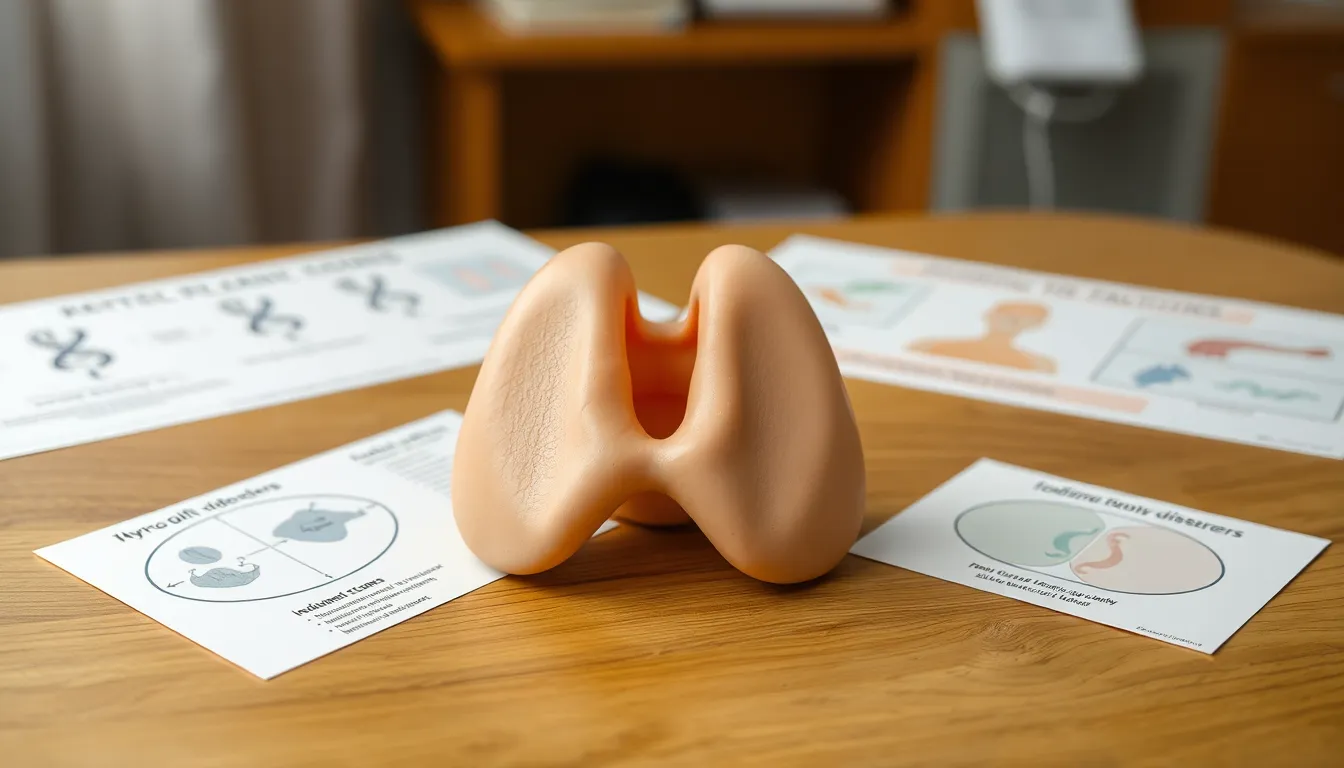
Hyperthyroidism arises from several underlying causes. Understanding these factors is crucial for effective management.
Autoimmune Disorders
Graves’ disease stands out as the most common autoimmune disorder linked to hyperthyroidism. This condition occurs when the immune system mistakenly attacks the thyroid, leading to overproduction of thyroid hormones. In Graves’ disease, antibodies stimulate the thyroid gland excessively. Symptoms can escalate quickly, necessitating prompt diagnosis and treatment. Other autoimmune conditions, while less common, may also contribute to hyperthyroid symptoms.
Genetic Factors
Genetics plays a significant role in the development of hyperthyroidism. Family history often indicates a higher risk, with certain genetic markers influencing susceptibility. Individuals with relatives affected by thyroid disorders face increased likelihood of developing hyperthyroidism themselves. Although it doesn’t guarantee the condition, understanding genetic predispositions can help with early detection and intervention.
Iodine Excess
Iodine excess can trigger hyperthyroidism in vulnerable individuals. Consuming too much iodine, often from dietary sources or supplements, stimulates the thyroid to produce excess hormones. Certain thyroid conditions may also exacerbate this sensitivity to iodine. Monitoring iodine intake becomes essential, especially for individuals already diagnosed with thyroid issues.
Symptoms of Hyperthyroidism
Hyperthyroidism presents a range of symptoms that affect both physical and emotional well-being. Recognizing these signs can facilitate early diagnosis and treatment.
Physical Symptoms
Increased energy levels often lead to restlessness and fatigue. Rapid heart rate, known as tachycardia, creates a sensation of palpitations. Many individuals experience excessive sweating or heat intolerance, causing discomfort in warm environments. Unexplained weight loss frequently occurs despite a normal or increased appetite. Disturbances in bowel habits, including more frequent movements, can also be common. Muscle weakness and tremors are additional symptoms that may manifest as the condition progresses.
Emotional and Behavioral Symptoms
Irritability and anxiety often surface in individuals with hyperthyroidism. Heightened sensitivity to stress frequently affects daily interactions. Difficulty concentrating may hinder work or academic performance. Mood swings can create challenges in personal relationships. Sleep disturbances arise as restlessness makes falling or staying asleep difficult. Many people report a constant sense of nervousness or unease, contributing to an overall decline in mental health. Recognizing these emotional shifts is vital for understanding the full impact of hyperthyroidism.
Diagnosis of Hyperthyroidism
Diagnostic procedures play a key role in identifying hyperthyroidism. Clinicians rely on specific tests to assess thyroid function and possible abnormalities.
Blood Tests
Blood tests measure thyroid hormone levels. Key hormones include thyroxine (T4) and triiodothyronine (T3). Elevated levels of these hormones indicate hyperthyroidism. Additionally, a thyroid-stimulating hormone (TSH) test helps determine the gland’s activity. In hyperthyroidism, TSH levels usually decrease due to the feedback loop of hormone production. Physicians may also test for thyroid antibodies to identify autoimmune causes like Graves’ disease. Comprehensive blood testing provides a clear snapshot of thyroid health and facilitates accurate diagnosis.
Imaging Tests
Imaging tests enhance the understanding of thyroid structure. A common test is ultrasound, which reveals the size and shape of the thyroid gland. It helps identify nodules and other abnormalities. Additionally, a radioactive iodine uptake test gauges how well the thyroid absorbs iodine. Increased absorption often suggests hyperfunctioning thyroid tissue. In some cases, a computed tomography (CT) scan may be warranted to explore underlying issues. Imaging tests offer valuable insights, supporting the diagnosis and guiding further treatment choices.
Treatment Options for Hyperthyroidism
Various treatment options exist for managing hyperthyroidism, aiming to reduce hormone levels and alleviate symptoms.
Medications
Antithyroid medications serve as a primary treatment method. These drugs inhibit thyroid hormone production. Methimazole and propylthiouracil often receive prescription for this purpose. In addition, beta-blockers can address symptoms like rapid heart rate and anxiety. These medications help individuals return to a more balanced state, reducing the physical and emotional strain caused by excess hormones.
Radioactive Iodine Therapy
Radioactive iodine therapy plays a significant role in hyperthyroidism treatment. This approach involves administering radioactive iodine-131, which is absorbed by the thyroid gland. Once absorbed, it damages thyroid cells, leading to reduced hormone production. Many patients experience long-term remission or stabilization of thyroid levels after this treatment. Safety and effectiveness make radioactive iodine a common choice for adults, despite possible risks like hypothyroidism post-treatment.
Surgery
Surgery may be necessary in certain cases, especially when other treatments fail or for those with large goiters. Thyroidectomy involves complete or partial removal of the thyroid gland. This procedure can provide a permanent solution by addressing the source of excessive hormone production. Individuals often require lifelong monitoring after surgery to manage potential hormone imbalances, but many achieve significant symptom relief and improved quality of life.
Living with hyperthyroidism presents unique challenges that can significantly impact daily life. Recognizing symptoms early is crucial for effective management and treatment. Individuals experiencing signs of this condition should seek medical advice promptly to receive appropriate care.
With the right treatment strategies in place, it’s possible to regain balance and improve overall well-being. The journey may involve monitoring hormone levels and making lifestyle adjustments, but with diligence and support, many can lead fulfilling lives despite the challenges posed by hyperthyroidism. Awareness and proactive management are key to navigating this condition successfully.


