

In a world where your couch might be the best personal trainer you’ve ever had, functional fitness training sneaks in like a ninja to save the day. Forget about sculpting those pecs for the beach: it’s time to build strength that works in real life. Imagine being able to lift your groceries, dance at weddings, and chase after your kids without resembling a gasping fish. Sounds good, right? Let’s jump into the dynamic world of functional fitness training programs, it’s all about creating movements that matter. A functional fitness training program isn’t just a trend: it’s a lifestyle choice designed to boost your body’s capability and efficiency. Buckle up.
What Is Functional Fitness?
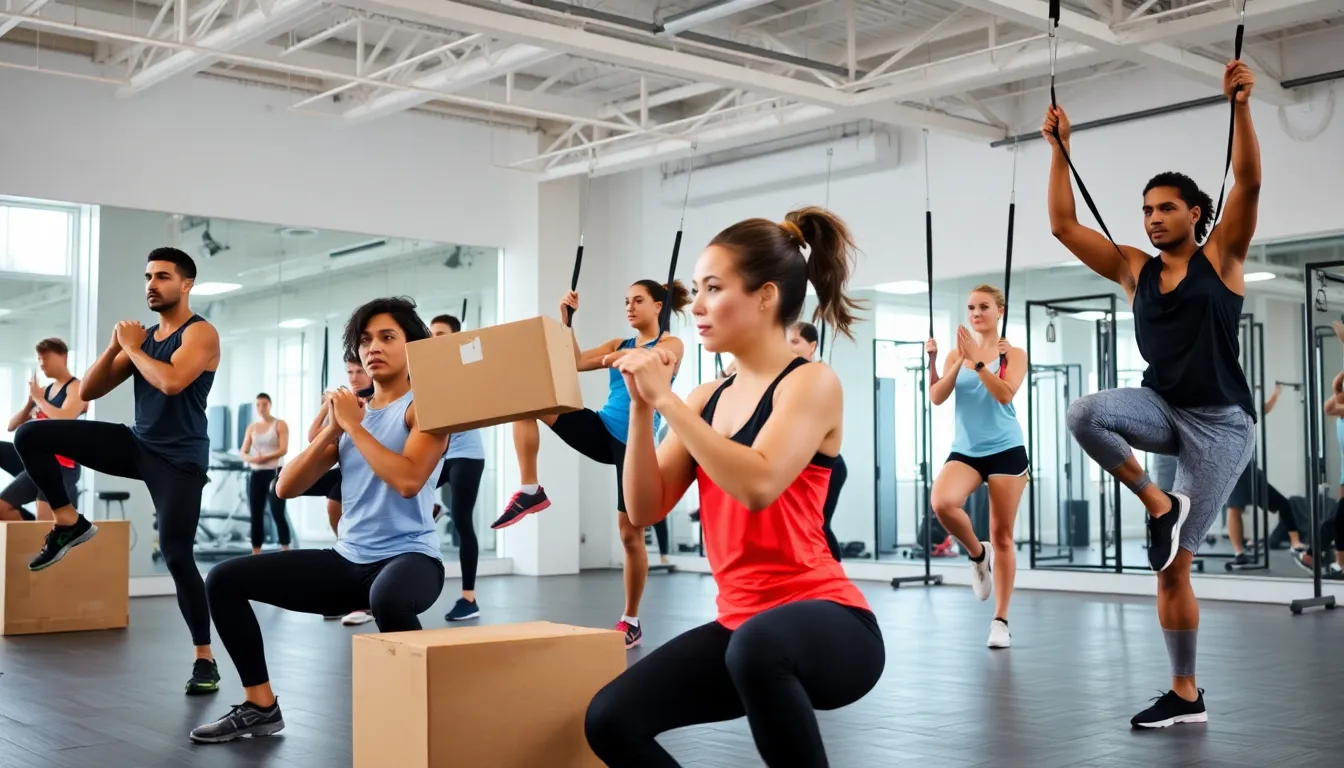
Functional fitness is a revolutionary approach to exercise that focuses on movements mimicking everyday activities. Think of it as training your body to handle life’s physical demands rather than just looking good in a selfie. Unlike traditional workouts that isolate muscle groups, functional fitness emphasizes multi-joint movements that engage various muscle groups simultaneously. This type of training prepares individuals for real-life scenarios. For example, squatting to pick up a heavy box or balancing while reaching for a high shelf. By conditioning muscles in a way that emphasizes functionality, the goal is to improve overall quality of life.
It originated in rehabilitation settings, targeting those recovering from injuries. But, it has rapidly evolved into a go-to choice for fitness enthusiasts looking to enhance their day-to-day performance. In simple terms, functional fitness training is about training your body for life, not just for aesthetics.
Benefits of Functional Fitness Training
The benefits of functional fitness training are vast and varied, appealing to everyone from seasoned athletes to weekend warriors. Here are some reasons to consider jumping on the functional fitness bandwagon:
- Enhanced Strength and Coordination: Functional fitness workouts target multiple muscle groups at once, cultivating improved strength and coordination.
- Increased Flexibility and Balance: Movements such as lunges and rotational exercises improve flexibility and stability, crucial for preventing falls, especially in older adults.
- Better Posture: Many functional fitness exercises focus on core strength, which contributes to better alignment and posture. Hello, aching back relief.
- Efficient Caloric Burn: These workouts often combine strength training with cardiovascular elements, ensuring a high caloric burn.
- Injury Prevention: By correcting muscle imbalances, functional training helps reduce the risk of injury across all activity levels.
- Everyday Functionality: Finally, and perhaps most importantly, functional fitness training prepares the body for daily tasks, boosting confidence in everyday activities.
Key Components of a Functional Fitness Training Program
Creating a functional fitness training program requires combining various elements to ensure well-rounded workout sessions. Here are key components to integrate:
- Movement Patterns: Focus on natural movement patterns like pushing, pulling, squatting, twisting, and lifting. Include exercises that simulate real-life tasks.
- Strength Training: Employ free weights, resistance bands, and bodyweight exercises to build functional strength. Compound movements like squats and deadlifts are excellent choices.
- Mobility and Stability Work: Incorporate activities that promote mobility, like stretching and foam rolling, alongside stability exercises to support joint function.
- Balance Training: Exercises on one leg or using balance discs can enhance stability, vital for everyday activities.
- Cardiovascular Conditioning: Include aerobics or high-intensity interval training (HIIT) workouts to boost heart health and endurance.
Designing Your Functional Fitness Training Program
When it comes to designing a functional fitness training program, consider personal goals, fitness levels, and available equipment. Start with these steps:
- Assess Your Current Fitness Level: Before diving in, self-evaluate overall fitness, identify strengths and weaknesses to tailor the program.
- Set Goals: Determine what you want to achieve, whether it’s improved strength, better mobility, weight loss, or preparing for a specific event.
- Choose Exercises: Select a variety of exercises that focus on functional movements. Ensure at least three different movement types are included, such as push, pull, and squat.
- Plan Frequency: Aim for at least 3 to 5 sessions a week but mix workout intensity to avoid burnout.
- Track Progress: Regularly monitor improvement, adjusting your program as fitness levels progress.
Sample Functional Fitness Training Workouts
Here’s a sample week of functional fitness training workouts:
Day 1: Full Body Strength
- Squats: 3 sets of 12 reps
- Push-ups: 3 sets of 10 reps
- Bent-over rows (using dumbbells): 3 sets of 12 reps
- Planks: 3 sets, 30 seconds each
Day 2: Mobility and Flexibility
- Dynamic stretches
- Yoga flow for 30 minutes
- Foam rolling for muscle recovery
Day 3: High-Intensity Interval Training (HIIT)
- Burpees: 30 seconds followed by 30 seconds rest (repeat for 10 minutes)
- Medicine ball slams: 3 sets of 10 reps
- Mountain climbers: 30 seconds
Day 4: Balance and Core
- Single-leg deadlifts: 3 sets of 10 reps each leg
- Standing balance on one leg: 3 sets, holding for 30 seconds each side
- Russian twists: 3 sets of 15 reps
Day 5: Active Recovery
- Light jog or brisk walk for 30 minutes
- Gentle stretching session
Feel free to adjust exercises, sets, and reps based on your fitness level.
Safety Considerations and Best Practices
Adopting a functional fitness training program is an excellent way to enhance your daily life, but safety should always come first. Here are some practical tips to keep in mind:
- Warm Up: Start with at least 5-10 minutes of light movement to prepare muscles and reduce the risk of injury.
- Focus on Form: Prioritize proper form over the amount of weight lifted. Bad form can lead to injuries.
- Use Modifications: If an exercise feels too challenging, don’t hesitate to modify it. There’s no shame in scaling up or down.
- Stay Hydrated: Drink water before, during, and after workouts to maintain hydration.
- Listen to Your Body: If you feel pain or discomfort that doesn’t feel normal, stop and assess. It’s better to rest than risk a long-term injury.


