
Table of Contents
ToggleYeast infections might not be the most glamorous topic, but they’re more common than you think. It’s like that uninvited guest who crashes the party and overstays their welcome. While they often bring discomfort and irritation, understanding them can help anyone reclaim their comfort and confidence.
Understanding Yeast Infection
Yeast infections are common and understanding their underlying factors can be essential for swift recovery. Knowledge about causes and symptoms aids individuals in recognizing and addressing this issue.
What Causes Yeast Infections?
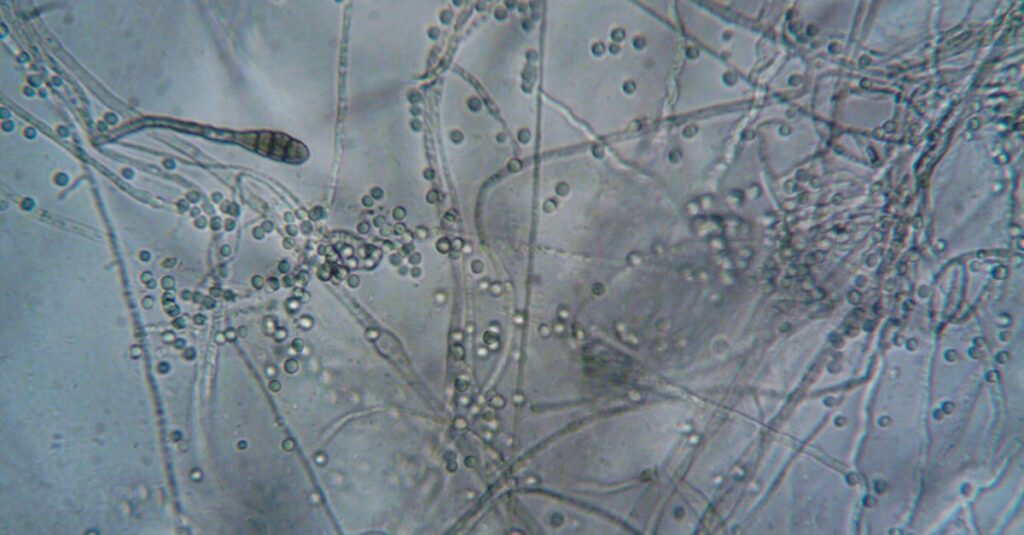
Yeast infections arise from an overgrowth of Candida, a type of fungus. Factors like antibiotics, hormonal changes, and diabetes contribute to this imbalance. Antibiotics disrupt normal bacterial flora, enabling Candida to thrive. Hormonal fluctuations during menstruation or pregnancy often create an environment conducive to yeast overgrowth. Diabetes, particularly when poorly managed, affects sugar levels in the body, providing yeast with an energy source. Environmental factors like humidity and tight clothing can also play a role in promoting yeast infections.
Symptoms and Diagnosis
Symptoms of yeast infections include itching, burning, and unusual discharge. Vaginal irritation and swelling often accompany these symptoms, making daily activities challenging. Diagnosis typically involves a physical examination and possibly lab tests. Doctors may take a sample of the discharge for microscopy or culture to confirm the presence of yeast. Recognizing symptoms early leads to timely treatment, minimizing discomfort and complication risks.
Treatment Options for Yeast Infections
Effective treatment options exist for yeast infections, enabling individuals to relieve discomfort and restore balance.
Over-the-Counter Remedies
Over-the-counter remedies provide accessible solutions for mild cases. These include antifungal creams and suppositories such as miconazole and clotrimazole. Products typically offer relief from symptoms like itching and burning within a few days. Patients should apply these treatments as directed on the package for optimal results. Effectiveness often varies, so individuals may need to try different products to find what works best.
Prescription Medications
Prescription medications may be necessary for more severe or recurrent infections. Healthcare providers often recommend fluconazole, an oral antifungal medication, which effectively clears up infections in a single dose. In cases of chronic or complex infections, longer treatment courses may be required. Doctors can also prescribe topical antifungals if over-the-counter options fail. Follow-up consultations help ensure the chosen medication is effective, minimizing the risk of complications.
Prevention Strategies
Preventing yeast infections involves adjustments in lifestyle and dietary habits. Simple changes can significantly reduce the risk of future occurrences.
Lifestyle Changes
Maintaining good hygiene plays a crucial role in preventing yeast infections. Wearing breathable cotton underwear allows proper airflow, which helps keep moisture levels balanced. Regularly changing out of wet clothes also aids in minimizing yeast growth. Limiting the use of scented products in the genital area can prevent irritation and an imbalance in natural flora. Managing stress through relaxation techniques contributes to overall health, as stress can weaken the immune system. Staying hydrated supports optimal bodily function, reducing the likelihood of infections.
Dietary Considerations
Incorporating probiotics into the diet promotes a healthy balance of bacteria. Foods like yogurt, kefir, and sauerkraut can enhance gut health and potentially prevent yeast overgrowth. Reducing sugar intake proves beneficial since sugar fosters yeast proliferation. Complex carbohydrates, such as whole grains, provide essential nutrients without feeding Candida. Furthermore, staying hydrated with water helps flush out excess sugars and toxins, supporting overall health. Lastly, garlic possesses antifungal properties that may help reduce the risk of infections when included in meals.
When to See a Doctor
Recognizing when to consult a healthcare professional about a yeast infection can significantly affect recovery. Certain signs warrant prompt medical attention.
Warning Signs
Persistent itching or burning that lasts longer than a few days indicates a need for professional evaluation. If symptoms worsen or become unbearable, seeing a healthcare provider is essential. Unusual discharge with a strong odor may suggest a more serious condition, requiring expert assessment. Experiencing frequent yeast infections, defined as four or more episodes in a year, signals the necessity for further investigation. Additionally, if a patient notices sores or lesions in the affected area, it’s crucial to contact a doctor.
Importance of Professional Advice
Seeking professional advice offers clarity and direction in treatment plans. Healthcare providers can confirm the diagnosis through lab tests, ensuring the right course of action. They may recommend prescription medications for severe cases, which provide more effective results than over-the-counter alternatives. Receiving tailored treatment reduces the risk of complications and promotes quicker recovery. Additionally, professional guidance on lifestyle changes can help prevent future infections, contributing to overall health maintenance.
Yeast infections are a common yet often misunderstood issue that can disrupt daily life. By recognizing symptoms early and seeking appropriate treatment, individuals can alleviate discomfort and restore balance. Prevention strategies play a key role in minimizing the risk of future infections, emphasizing the importance of lifestyle choices and good hygiene.
When symptoms persist or worsen, consulting a healthcare provider is essential for tailored treatment and guidance. Understanding yeast infections empowers individuals to take control of their health and maintain their well-being. With the right knowledge and resources, managing and preventing yeast infections becomes a more achievable goal.


