

Group fitness training might just be the best thing since sliced bread, if sliced bread could squat. This energetic approach to fitness combines the camaraderie of community with the motivation of a personal trainer. Whether you’re a fitness newbie or a seasoned gym-goer looking to spice things up, group classes offer a fun and effective way to get moving. So, grab your water bottle and a towel, because you’re about to jump into everything you need to know about group fitness training.
What Is Group Fitness Training?
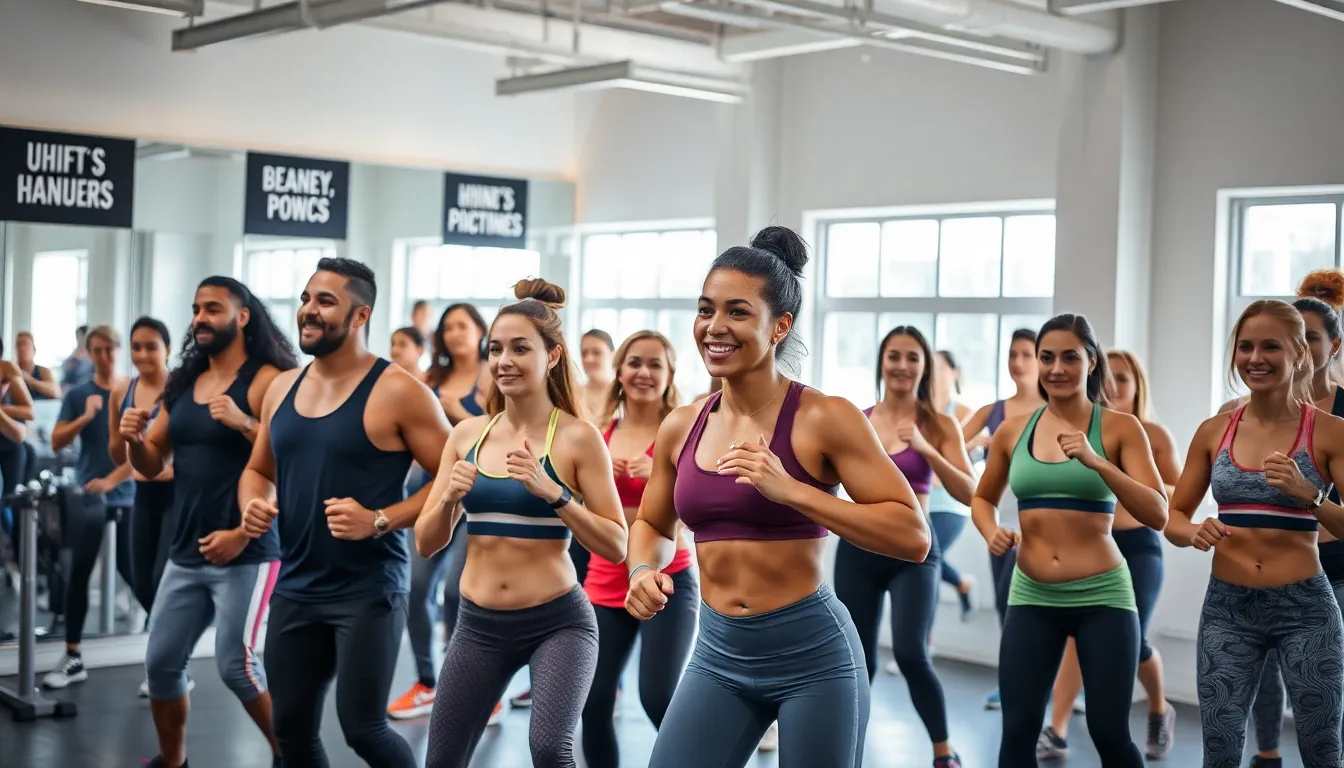
Group fitness training refers to structured workout sessions led by an instructor, usually set in a group environment. Classes can range from high-intensity interval training (HIIT) to calming yoga sessions, catering to different fitness levels and preferences. The atmosphere is vibrant, with the energy of participants amplifying the workout experience. Imagine surrounded by like-minded individuals, all sweating it out together while working toward their fitness goals. This collective atmosphere fuels motivation and accountability, making even the toughest workouts feel achievable.
Benefits of Group Fitness Training
Engaging in group fitness training provides a multitude of benefits. To start, participants often feel a boost in motivation. Seeing fellow classmates pushing through their workouts encourages individuals to do the same. Also, the structured environment reduces the chances of skipping workouts, as group sessions create a sense of commitment among participants.
Also, there’s the social component. Group fitness classes promote a sense of community, which can be especially beneficial for those feeling isolated or lacking social interactions. After a few classes, friendships often blossom, making workouts feel less like a chore and more like a social gathering.
Also, the guidance of a trained instructor ensures that participants perform exercises safely and effectively. This not only reduces injury risk but also enhances the quality of each workout. When everyone is in sync with the class rhythm, the overall experience is electrifying.
Types of Group Fitness Classes
Group fitness classes vary widely, catering to diverse interests and fitness levels. Here’s a closer look at some popular options:
1. HIIT:
High-Intensity Interval Training incorporates short bursts of intense exercise followed by short rest periods. This class is perfect for burning calories efficiently.
2. Zumba:
Combining dance and aerobic movements, Zumba classes are fun, energetic, and great for those who love to move to a beat.
3. Yoga:
Focusing on flexibility, strength, and mindfulness, yoga classes can vary in intensity, offering everything from restorative sessions to challenging power yoga.
4. Cycling:
Stationary cycling classes provide an intense cardio workout, usually accompanied by motivational music and group camaraderie.
5. Pilates:
Pilates emphasizes core strength and stability, perfect for those looking to improve posture and mobility.
Each class type brings unique aspects, ensuring there’s something for everyone.
How to Choose the Right Group Fitness Class
With such a vast array of group fitness classes, selecting the right one can feel overwhelming. Start by considering your fitness goals. Are you looking to lose weight, gain muscle, or improve flexibility? Different classes serve different purposes.
Next, think about your fitness level. Some classes are designed for beginners, while others cater to more advanced participants. Don’t hesitate to ask instructors about class intensity: they can provide valuable insights.
Finally, factor in your interests. If dance isn’t your thing, a Zumba class might not be the right fit. Look for classes that excite you. Enjoyment plays a crucial role in consistency, which is key to achieving fitness goals.
Tips for Getting the Most Out of Group Fitness Training
To maximize the benefits of group fitness training, consider these tips:
- Arrive Early: Warming up with fellow participants gets the blood flowing and helps build camaraderie.
- Communicate with the Instructor: If you’re unsure about an exercise or have any injury concerns, don’t hesitate to ask for guidance before the class begins.
- Stay Hydrated: Bringing a water bottle is essential. Hydration helps maintain energy levels throughout the session.
- Participate Fully: Engaging with the group creates a sense of belonging and boosts overall motivation.
- Feedback is Key: If a class didn’t resonate with you, share your experience. Instructors appreciate constructive feedback for improvement.
The Role of an Instructor in Group Fitness Training
Instructors play a pivotal role in ensuring a positive group fitness experience. Beyond leading the workouts, they motivate participants, demonstrate proper form, and modify exercises as needed. An effective instructor creates an inclusive environment, welcoming participants of all fitness levels.
Also, the connection formed between the instructor and participants fosters trust and accountability. When participants feel supported and challenged, they’re more likely to push through obstacles, reach their goals, and relish the journey.
Instructors also curate playlists and choose workout structures that enhance the group’s synergy. A well-chosen song can turn a simple workout into a memorable experience.


